
When we think of a model, we immediately imagine a slender figure on a catwalk at Fashion Week, an angelic face under the flashes, a gait calibrated to the millimeter.
But this vision is not only reductive... it is also false.
What if I told you that you can be a model without ever walking the runway?
That we can represent brands without meeting the standards of haute couture?
Welcome to the world of commercial modeling.
A ubiquitous sector, but still too often underestimated.
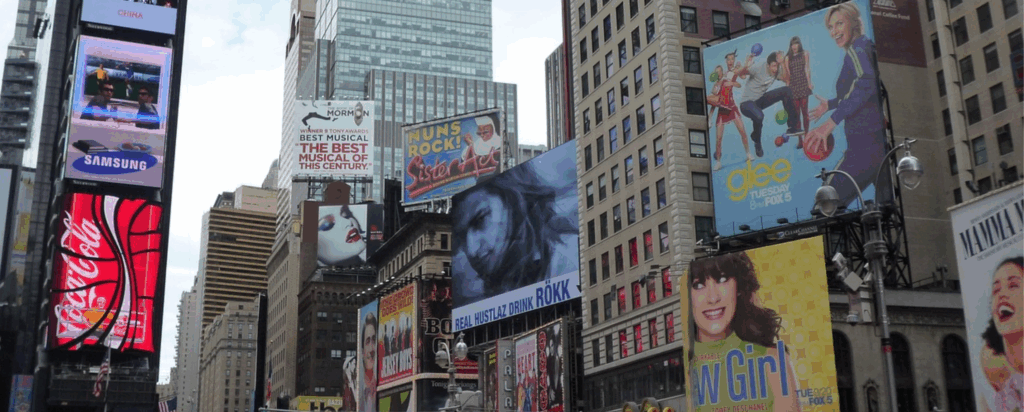
And I assure you, you come across them every day, without even knowing it: in advertisements, shop windows, e-shops, social networks, catalogs... These mannequins are everywhere, but rarely put in the spotlight.
As if, because they don't parade, they aren't "real" models.
What if it was time to give them the recognition they deserve?
What is a commercial model?
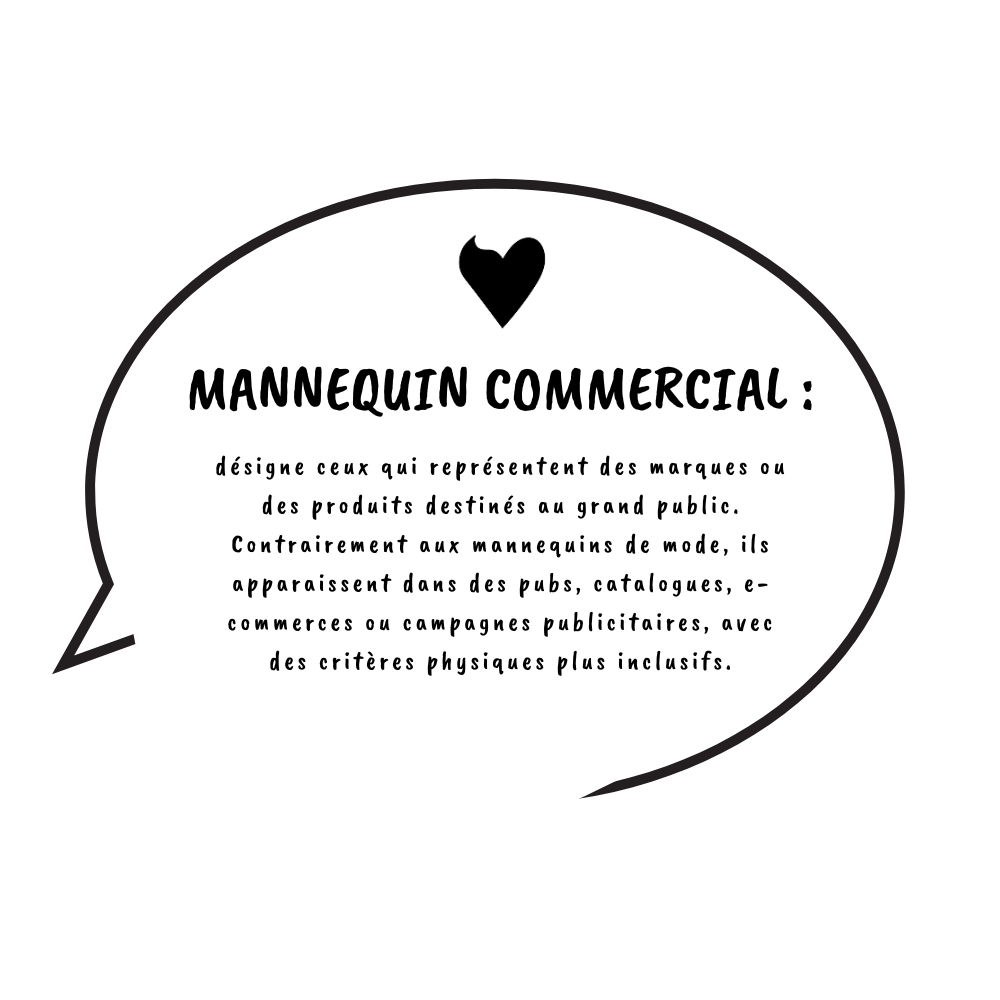
These are models who represent brands or products intended for the general public. Unlike fashion models, they appear in advertisements, catalogs, advertising campaigns, and even on e-commerce sites.
And most importantly: their physical criteria are much more inclusive.
You don't need to be 1.80m tall or a size 34 to represent a brand.
Besides, this type of modeling is much more common than you might think.
According to Zipdo statistics, “approximately 80% of models in the industry work in commercial (advertising, print, e-com, etc.), compared to only 20% in the pure fashion sector (haute couture, editorial, runway).”
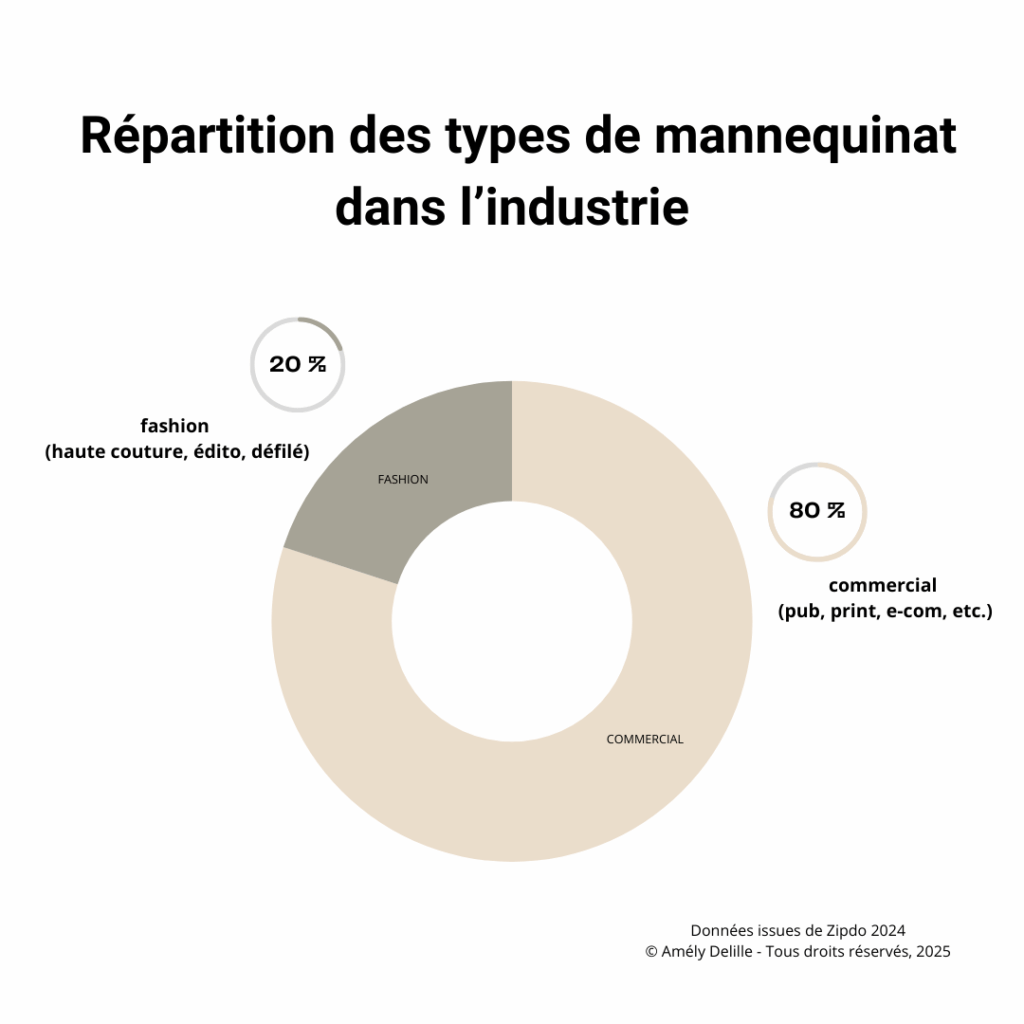
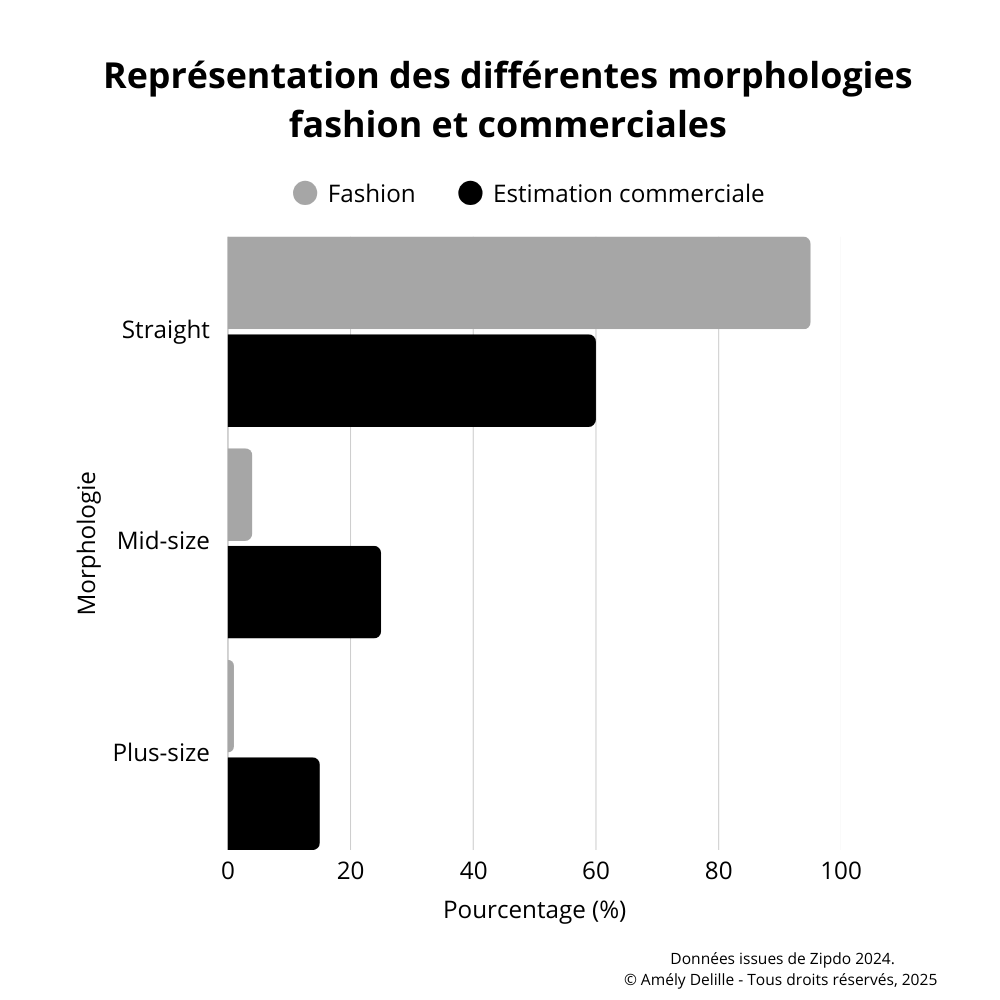
And yet, it is this small percentage of 20% that continues to be glorified, as if the rest did not exist.
But the reality is that The majority of models you see every day don't come from the world of Fashion Week.
So, would commercial modeling be a more inclusive, more representative sector?
Yes. Unlike the fashion industry, which is still very standardized (extreme thinness, minimum height, precise proportions), commercial modeling is open to a variety of body types.
The big question is: why?
Because it addresses a real, multiple, and diverse audience.
Brands want their customers to recognize themselves in the faces they showcase.
And it's not just about image: It is also an effective marketing strategy.
Studies confirm this:
According to Zodel: “Campaigns with plus-size models generate on average higher social engagement (up to +48 %)”
And according to Model House: “Inclusive brands often see an increase in sales.”
In other words: Campaigns with models who reflect the diversity of the audience inspire more trust, more engagement… and therefore better commercial results.
So, commercial modeling is not just about selling a product. It conveys an image, a brand identity, a way of life.
And to reach a wide audience, you need to represent as many different profiles as possible.
Today, we are seeing more and more campaigns with diverse profiles: women and men of all body types, older people, people with disabilities, and faces that do not fit the smooth standards of fashion.
And that's exactly what commercial modeling values.
Here is the testimony of a friend, Emma.
She's a model, but she's never been to Fashion Week. And yet, her face has appeared in advertisements, on e-commerce sites, and more.
“As a commercial model, we're very often underestimated. But I think we can all have different goals in the same field. Mine was never to do Fashion Week, it never attracted me. On the other hand, I think what marked me the most were the times I was able to work with brands whose products I used regularly.
The first time was with Bioderma. I managed to get booked on a shoot for État Pur and I was completely excited, it was crazy for me. The second time was when I worked for Puma. I went to their casting in India, in the 16-story HQ, repeating to myself: "I hope they take me, I hope they take me..." and I ended up working with them every week for two months. Even today, I'm in contact with the team. It was completely magical to see myself on their website, in their videos, etc.
I think those are two of the jobs I've had that really impacted me, and made me think, "Wow, I'm here today. This is me in the ads on Instagram and on their website."
— Emma Brunel, 23 years old.
You get it: being a model isn't just about parading in the spotlight.
It’s about representing a brand, transmitting its values and embodying its customers.
Commercial modeling is not a “secondary profession.”
It is a sector in its own right: professional, creative, legitimate, and essential in the world of fashion and advertising.
The next time you see an ad, a catalog, or an e-shop… take a good look. You might see Emma. Or yourself.
So, ready to revisit your definition of a model?
SOURCES:
Zipdo: Modeling Industry Statistics
Zodel: Hiring Plus‑Size Female Models
Model House: Plus-Size Models in Advertising